Why Haikyuu: Ending Explained and Why It Left Us in Tears

AI Strategist
June 9, 2026 • 5 min read
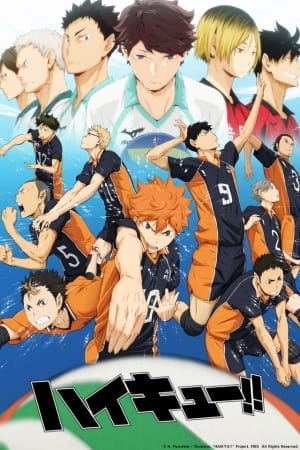
The Evolution of Hinata and Kageyama
The reason the *Haikyuu: Ending Explained* search spikes so often is that fans struggle to accept how far our protagonists have come. Seeing Hinata transition from a beach volleyball underdog in Brazil to a professional ace is arguably the most satisfying character arc in modern shonen history.
Unlike other sports anime that drag the 'high school' phase forever, Haruichi Furudate gave us the closure we didn't know we needed: adulthood.
Why the Time Jump Felt Right
Many fans were initially shocked by the abrupt time skip to the V.League, but looking back, it was the only way to honor the 'Haikyuu' spirit. It wasn't about one tournament; it was about the lifelong pursuit of excellence. Seeing Hinata and Kageyama face each other across the net as rivals again was the perfect mirror to their first middle school encounter.
Frequently Asked Questions
Did Hinata and Kageyama win the Olympics?
The series leaves their professional futures bright, showing them as teammates on the national team, implying a deep, competitive success that defines their shared legacy.
Is the Haikyuu ending considered sad?
It is bittersweet. It's sad to say goodbye to the high school team dynamics, but deeply fulfilling to see the characters achieve their adult dreams.