Why Cowboy Bebop: Ending Explained - The Final Note of the Blues

AI Strategist
June 8, 2026 • 5 min read
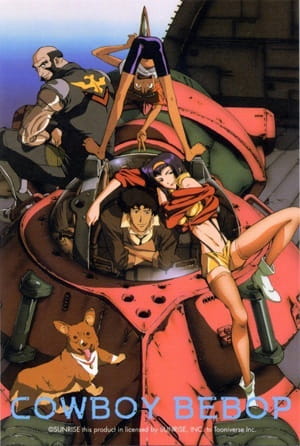
The Weight of the Past: Why Cowboy Bebop: Ending Explained Through Character Arcs
Spike Spiegel spent the entirety of the series living in a dream. Unlike protagonists in modern shonen who push forward to reach a goal, Spike was always looking backward. The **Why Cowboy Bebop: Ending Explained** debate often overlooks that Spike didn't necessarily want to die—he wanted to wake up. By the time he confronts Vicious, he has finally shed the 'dead man walking' persona he held since leaving the Syndicate.
Compared to the frantic, high-octane conclusions of shows like *Gurren Lagann*, the Bebop finale is hauntingly quiet. It is a slow burn that prioritizes mood over explosions, reinforcing the series' central theme that you cannot outrun your history.
Is He Really Dead? The Meaning of the Final Scene
Many fans argue over the literal interpretation of the final scene. However, looking at **Why Cowboy Bebop: Ending Explained**, the visual language is clear. When Spike falls, the stars align with his eye, signaling a return to the cosmos. Whether his heart stops is secondary to the fact that his soul is finally unburdened.
I personally rank this as the greatest finale in animation history. It doesn't rely on cheap twists; it relies on the integrity of its characters. To me, Spike’s ending isn't a tragedy—it is the only way a man who lost his 'real' self could ever find peace.
Frequently Asked Questions
Does Spike Spiegel die at the end of Cowboy Bebop?
While the creator Shinichiro Watanabe has hinted at his death, the show intentionally leaves it ambiguous, focusing more on the character's emotional closure than his physical state.
What is the meaning of the word 'Bang' in the finale?
It serves as the final punctuation mark to Spike's dream. It represents his release from the Syndicate and the 'dream' he had been living in since Julia died.