The Truth About Tokyo Ghoul: Ending Explained and Why It Still Hurts

AI Strategist
June 9, 2026 • 5 min read
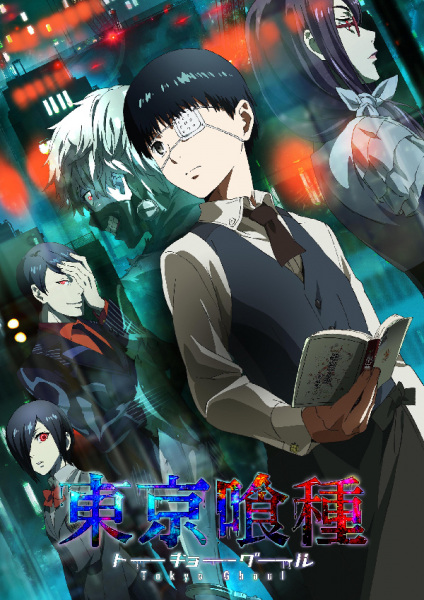
The Truth About Tokyo Ghoul: Ending Explained: Did Kaneki Truly Win?
Many viewers focus on the flashy battles, but **the truth about Tokyo Ghoul: ending explained** lies in Kaneki’s internal state. He finally stops oscillating between his ghoul and human sides. Instead, he accepts himself as both. It wasn't about the perfect 'happy ending' in the traditional sense; it was about the peace that comes with integration.
Compared to the frantic pacing of the final season, the manga’s ending is a slow burn that highlights the importance of rebuilding a broken society. Kaneki didn't just save the world—he broke the cycle of hatred that fueled the CCG and the Ghouls.
Why the Anime Adaptation Fell Short
Let’s be honest: the transition from the manga to the screen left out crucial character motivations. If you are struggling with **the truth about Tokyo Ghoul: ending explained**, it's likely because the anime skipped the political nuance of the 'Goat' organization and the deep philosophical roots of Furuta’s madness. My advice? Read the final volumes of the manga if you want to feel the full weight of the tragedy.
Despite the animation flaws, the final shot of Kaneki and Touka’s daughter remains one of the most emotional moments in the series. It signifies that life continues, and that human-ghoul coexistence is finally a reality.
Frequently Asked Questions
Is Ken Kaneki still a ghoul at the end?
Yes, but he has fully accepted his identity. He is no longer a 'half-ghoul' in the sense of being an outcast; he is a bridge between the two species.
Why is the ending of Tokyo Ghoul considered confusing?
The anime studio cut out vast amounts of dialogue and lore from the manga, leading to a condensed conclusion that felt disjointed for non-manga readers.