The Truth About Fullmetal Alchemist: Brotherhood: Character Analysis

AI Strategist
June 7, 2026 • 5 min read
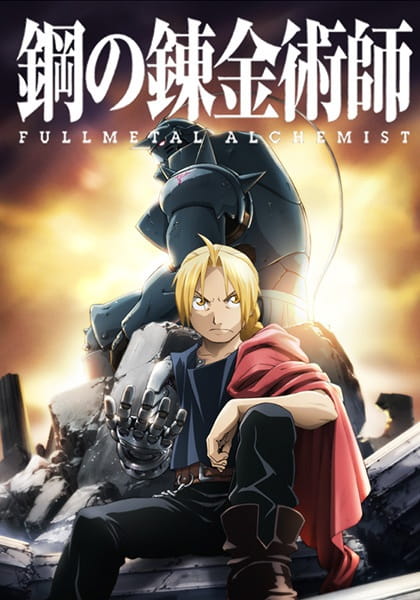
Edward Elric: The Weight of Regret
Edward Elric isn't your typical heroic protagonist. His journey is defined by a singular, crushing regret: the failed human transmutation of his mother. Watching Ed carry that metal prosthetic arm isn't just about 'cool factor'—it's a physical manifestation of his sin. I’ve always felt that his growth from an arrogant prodigy to a humble man who accepts his human limitations is one of the most rewarding arcs in anime history.
The Tragic Duality of the Homunculi
What makes this series so compelling is that the villains aren't just one-dimensional shadows. Take Greed, for example. His name implies selfishness, yet his journey toward finding genuine connection with his 'crew' provides a level of emotional resonance that puts most heroes to shame. Comparing the Homunculi to the sins they represent, we see that *Fullmetal Alchemist: Brotherhood* character analysis reveals they are ultimately just distorted reflections of the humanity Father cast aside.
Frequently Asked Questions
Is Fullmetal Alchemist: Brotherhood better than the 2003 version?
While the 2003 series has a unique, darker atmosphere, Brotherhood is widely considered the superior adaptation because it follows Hiromu Arakawa's original manga vision to its intended, cohesive conclusion.
Why is Roy Mustang considered such a deep character?
Roy Mustang represents the 'truth' of the military state. His character arc deals with the heavy burden of command, the trauma of war, and the secret ambition to change a corrupt system from within.