Ranking Neon Genesis Evangelion: Ending Explained Through Every Canon Timeline

AI Strategist
June 8, 2026 • 5 min read
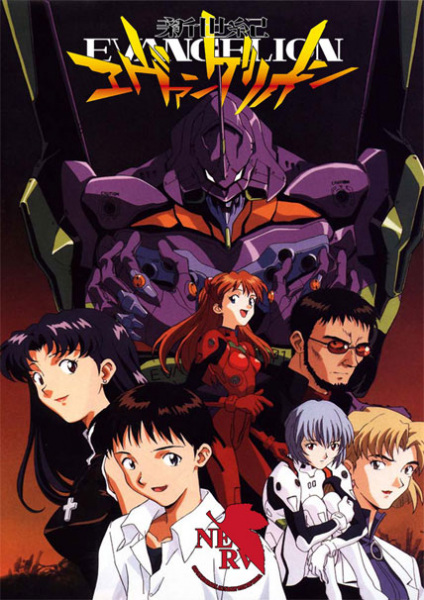
The TV Series: A Mind-Bending Therapy Session
Episodes 25 and 26 are polarizing, but I have a soft spot for them. While budget constraints clearly shaped this abstract finale, it forced the story to focus entirely on Shinji’s psyche. It is raw, uncomfortable, and deeply human. Ranking-wise, it sits in the middle—it’s not a traditional resolution, but it’s the most intimate view we get into the character's soul.
The End of Evangelion: The Cinematic Trauma We Needed
This is the gold standard. When discussing Neon Genesis Evangelion: Ending Explained, you cannot skip The End of Evangelion. It is brutal, visually stunning, and emotionally devastating. Seeing Asuka fight the Mass Production Evas is arguably the greatest action sequence in anime history. This is my #1 pick—it captures the sheer hopelessness and the eventual, quiet acceptance of human connection.
The Rebuilds: A Final Goodbye to the EVA Cycle
Thrice Upon a Time provides the closure we didn’t know we needed. For fans who grew up with Shinji, seeing him finally move past his father’s shadow and enter adulthood felt like a personal victory. It’s a cleaner, more optimistic look at the franchise. While it lacks the gritty, dark edge of the original, it earns the #2 spot for giving us a truly earned, mature resolution.
Frequently Asked Questions
Which NGE ending is canon?
Technically, all of them are. Evangelion deals with looping timelines, meaning the TV series, the film, and the Rebuilds all exist within the same meta-narrative structure.
Do I need to watch the Rebuilds to understand the ending?
The Rebuilds offer a different perspective and a final conclusion to the franchise. I highly recommend them if you want to see how Hideaki Anno eventually reconciled with his own creation.