Complete Guide to Haikyuu: Ending Explained and Why It Hits Hard

AI Strategist
June 13, 2026 • 5 min read
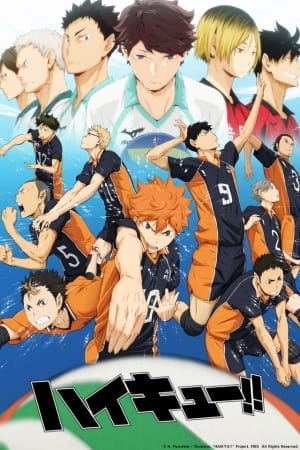
The Final Rally: More Than Just a Game
The climax isn't just about the tension on the court; it’s about the narrative evolution. Watching Hinata and Kageyama face off as rivals in the professional league is the perfect payoff for their journey. Unlike other sports anime that stall, this ending respects the natural progression of time.
The art style shift during these final chapters emphasizes the transition from high school intensity to professional maturity. It’s a gut-wrenching, beautiful reminder that high school sports are just a season, but the love for the game lasts a lifetime.
Why the Time Skip Works
Many fans were initially hesitant about the time skip, but looking at our Complete Guide to Haikyuu: Ending Explained, it’s clear this was the only way to evolve the story. Seeing Oikawa in a different uniform and Hinata playing in Brazil added a level of grounded realism that few series dare to attempt.
It elevates the series from a 'high school sports drama' to a 'coming-of-age masterpiece.' We get to see that the connections formed on the Karasuno court were the foundation for their adult lives.
Frequently Asked Questions
Is the Haikyuu ending satisfied?
Yes, it provides a comprehensive look at the futures of all major characters while maintaining the series' core spirit.
Why did the series end with a time skip?
The time skip was essential to show the maturation of the characters and the lasting impact of their high school volleyball years.